Stirling Castle Background
Set high above the River Forth on a crag, sits Stirling Castle. This site has been a trading post, fort, church, or castle since the 1100s. The first written record of the castle was in 1115 when Alexander endowed a chapel here. In 1296, the English took over the castle. Then in 1297 the Scots, led by William Wallace and Andrew Moray retook the castle after defeating the English at the Battle of Stirling Bridge. You might remember William Wallace from the Mel Gibson movie Braveheart! Although not entirely historically accurate, Braveheart is a great movie and captures the Scots drive for independence.
At the time of William Wallace, the “castle” was more of a wooden fort and was mostly about defending the area from invaders – usually the English. After the Battle of Stirling Bridge, King Edward of England retook the castle in 1304, Then in 1314, Robert the Bruce defeated Edward and the English army at the Battle of Bannockburn (also in Stirling) and the Scots claimed the castle once again. Robert actually ordered for the castle to be destroyed thinking that would keep the English from trying to retake it. However, the castle went back and forth for another 30 years until the 1380s when King Robert the Bruce defeated the English and Scotland was recognized as an independent state. This led to several hundred years of stability with the Stuart family ruling. Scotland’s strong monarchy began with King James 1 in 1406 and continued through King James II, King James the III, King James the IV, King James the V, Mary Queen of Scots, and King James the VI of Scotland and the first of England (Kings James VI &I).
Stirling Castle Buildings
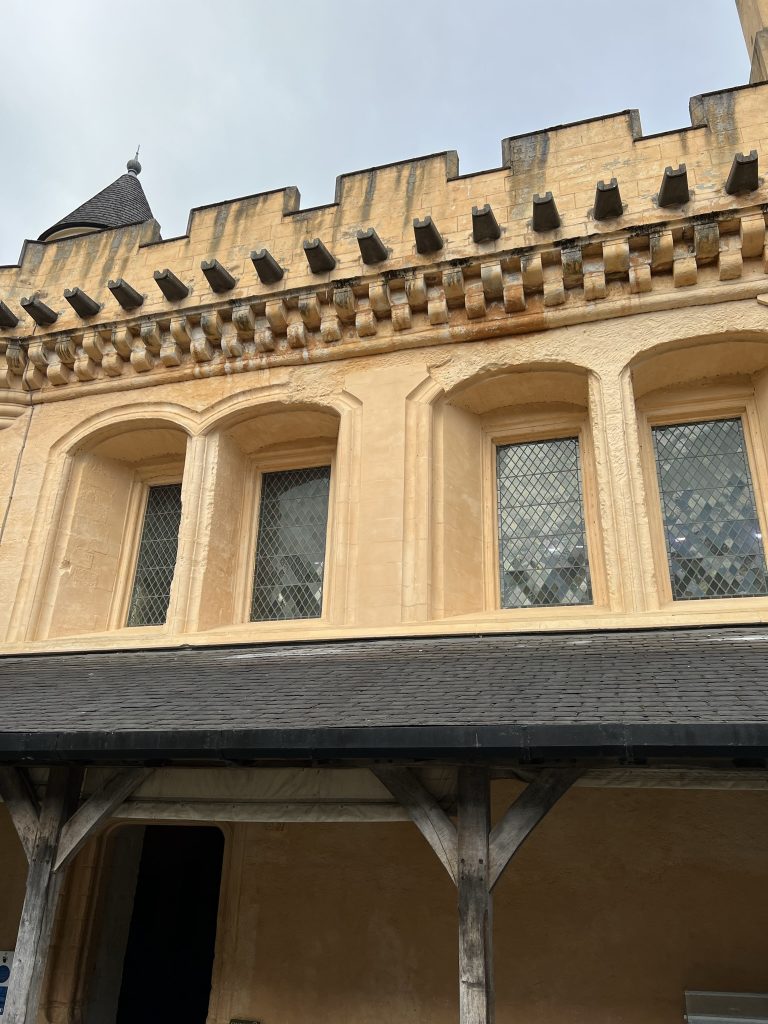
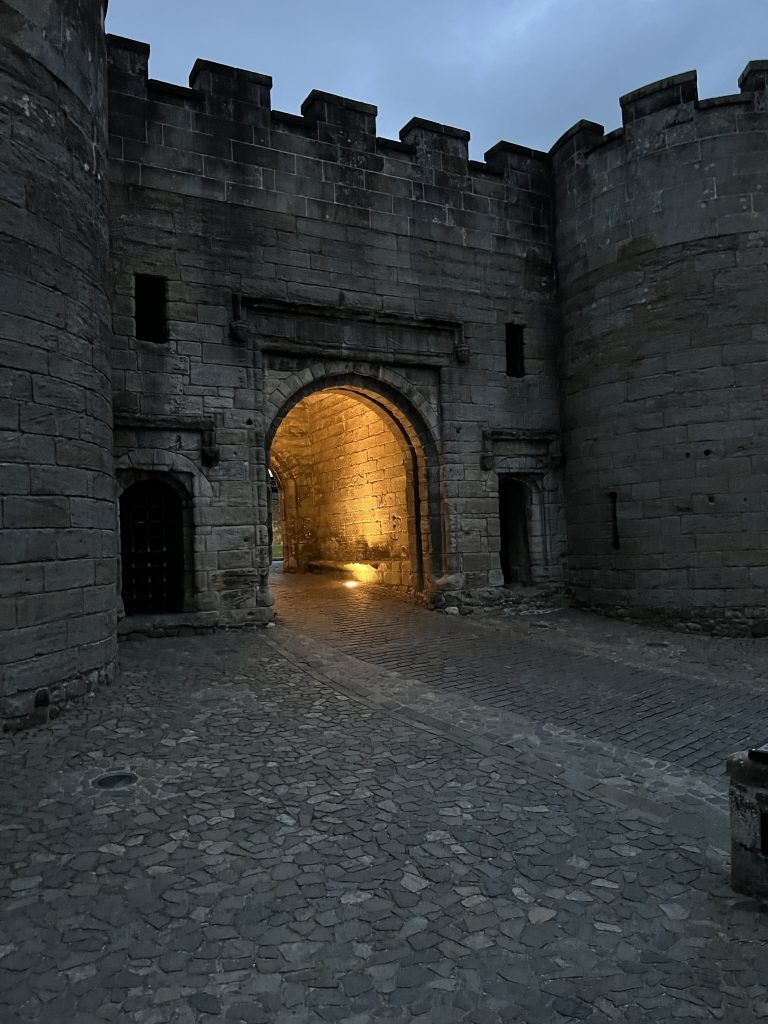
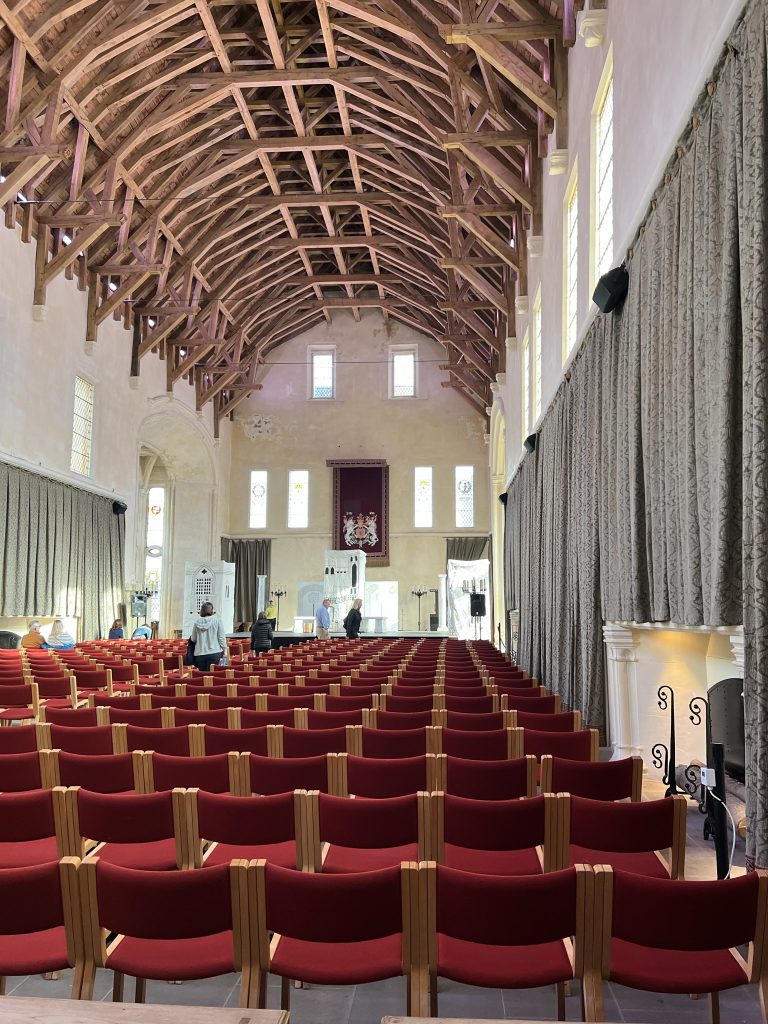
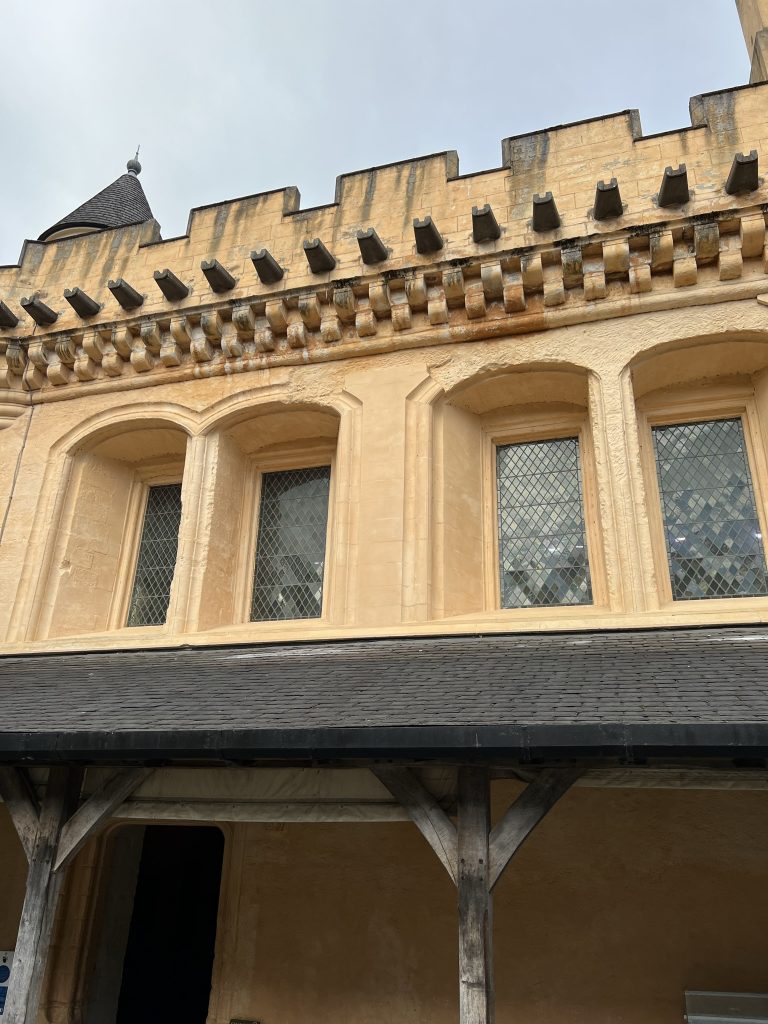
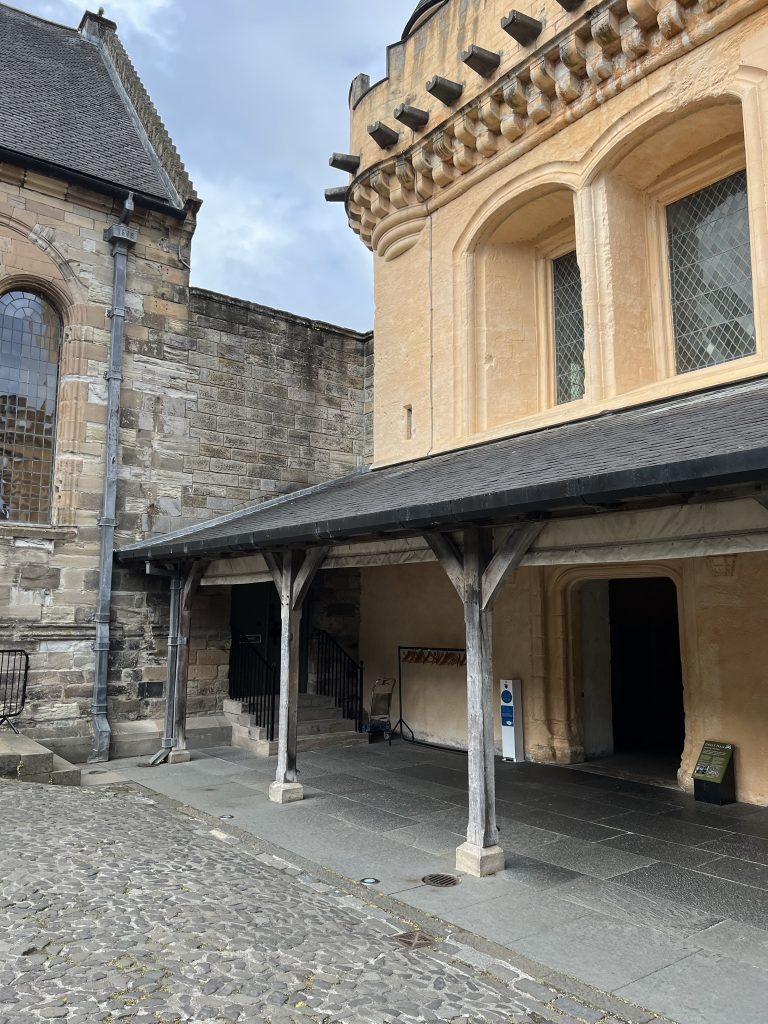
In the 1300s is when the stone buildings and outer walls began to be built. The oldest part of the castle still standing today is the North Gate built in 1381. The Great Hall is now painted in a bright yellowish gold called the Kings Gold. According to historians, the entire castle during the 1400s was painted this bright color. This was to demonstrate the wealth of the royal family as only the very rich could possibly afford to paint the outside of their house – let alone an entire castle.
Almost all the buildings seen today were constructed between 1490 and 1600. This is when Stirling Castle was a royal center used by the Stewart kings. On September 9, 1543, the infant Mary Queen of Scots was crowned in the chapel royal. She spent much of her early childhood at Stirling as it was considered a secure location. Mary was then sent to France in 1543 where she was betrothed to Francis, the Dauphin of France. Mary married Francis in 1558 and was the queen consort of France until1560 when Francis died. Now widowed at the age of 17, Mary returned to Scotland to claim her rule.
There are many ties to Mary Queen of Scots at Stirling Castle and even more to her son King James the VI of Scotland. James was baptized at Stirling in December of 1566. Then when his mother was forced to abdicate her crown, James at 18 months old, was crowned at the nearby Church of Holy Rude in July of 1567.
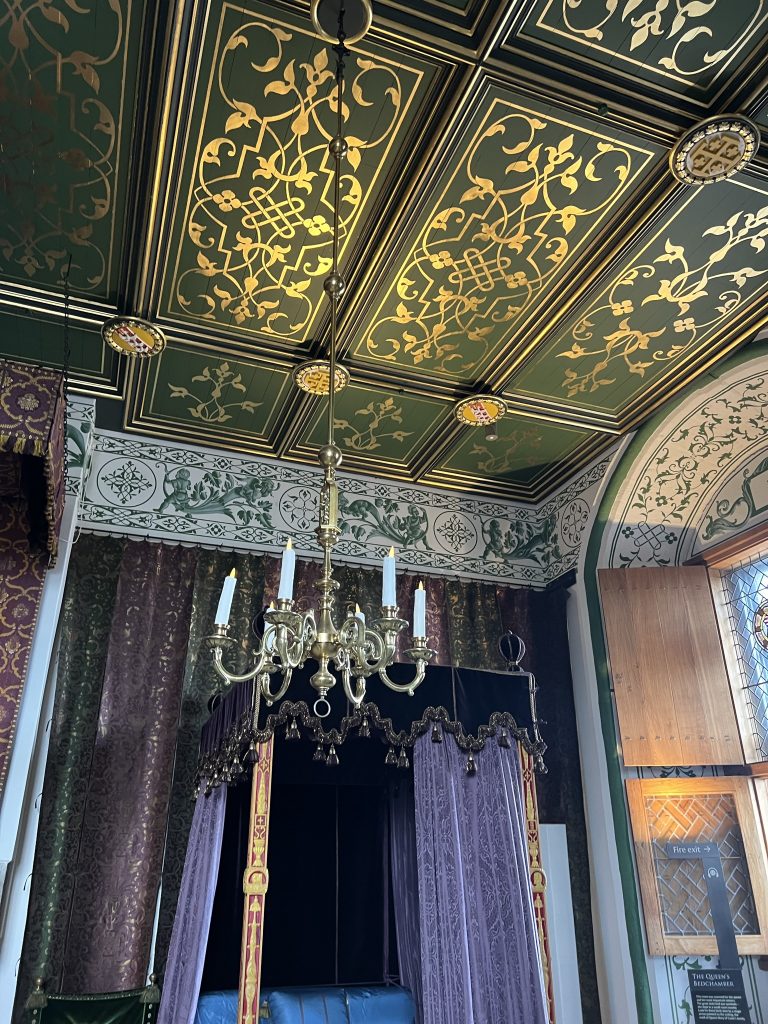
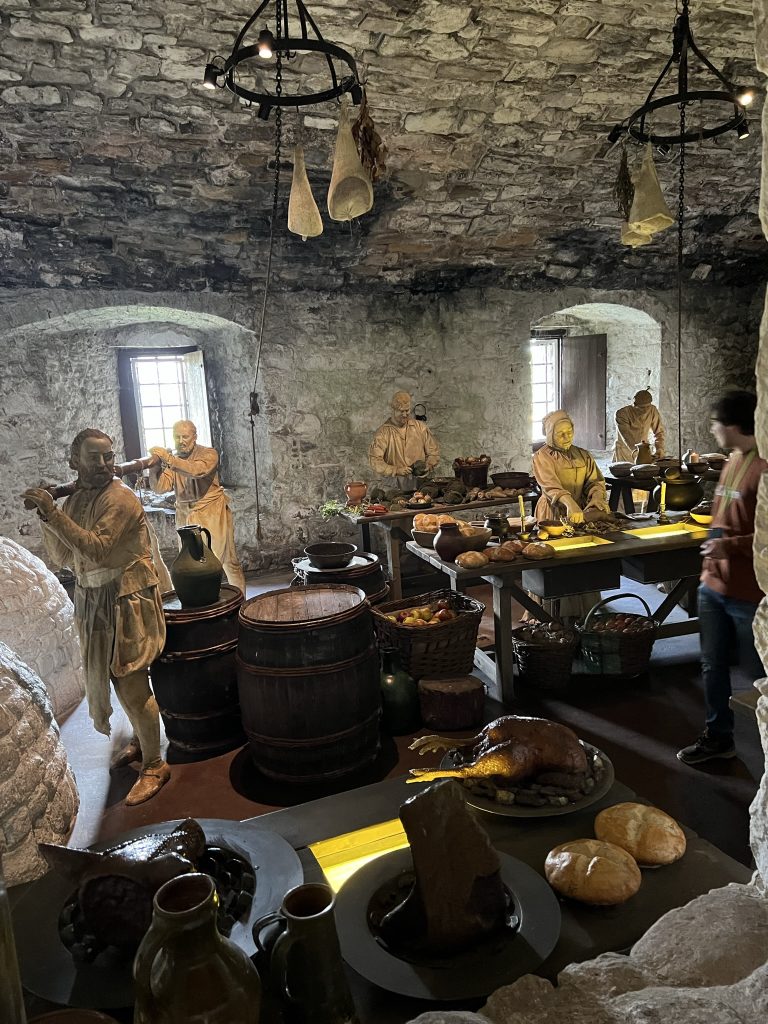
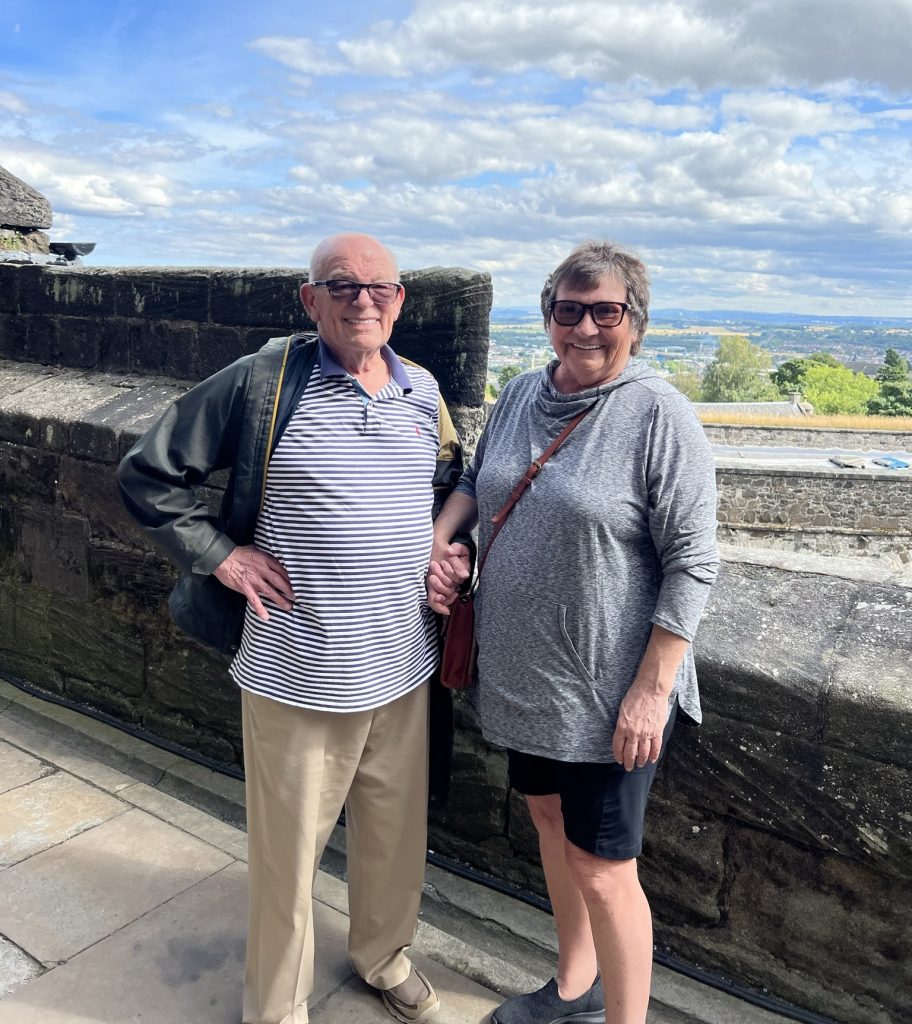
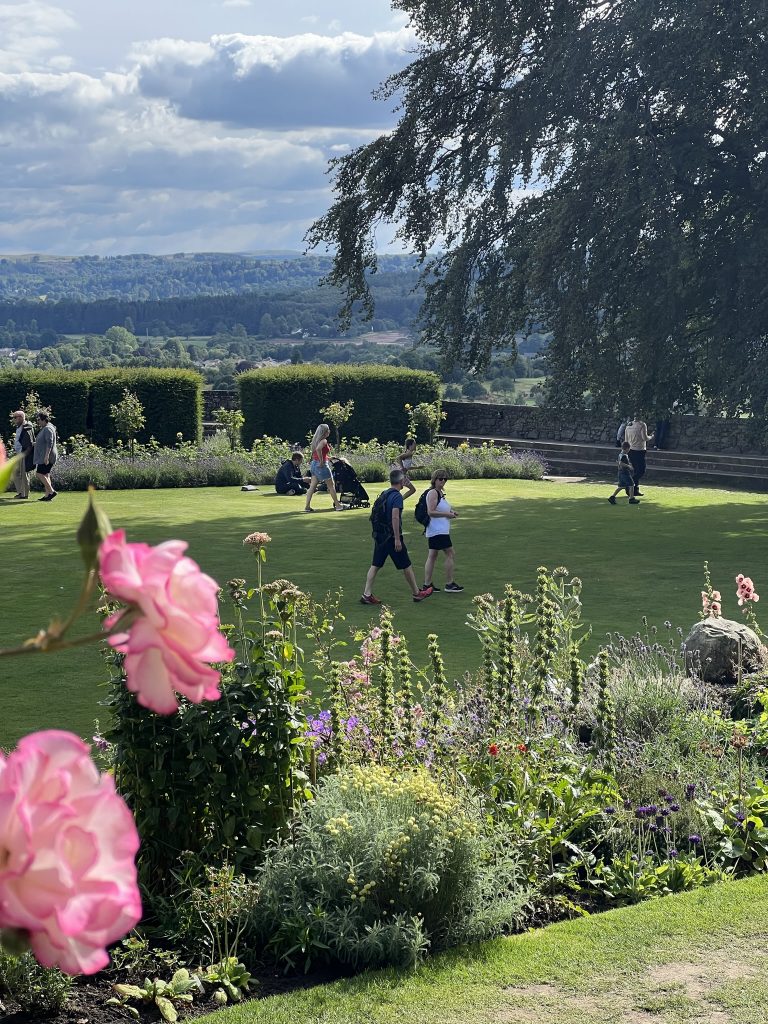
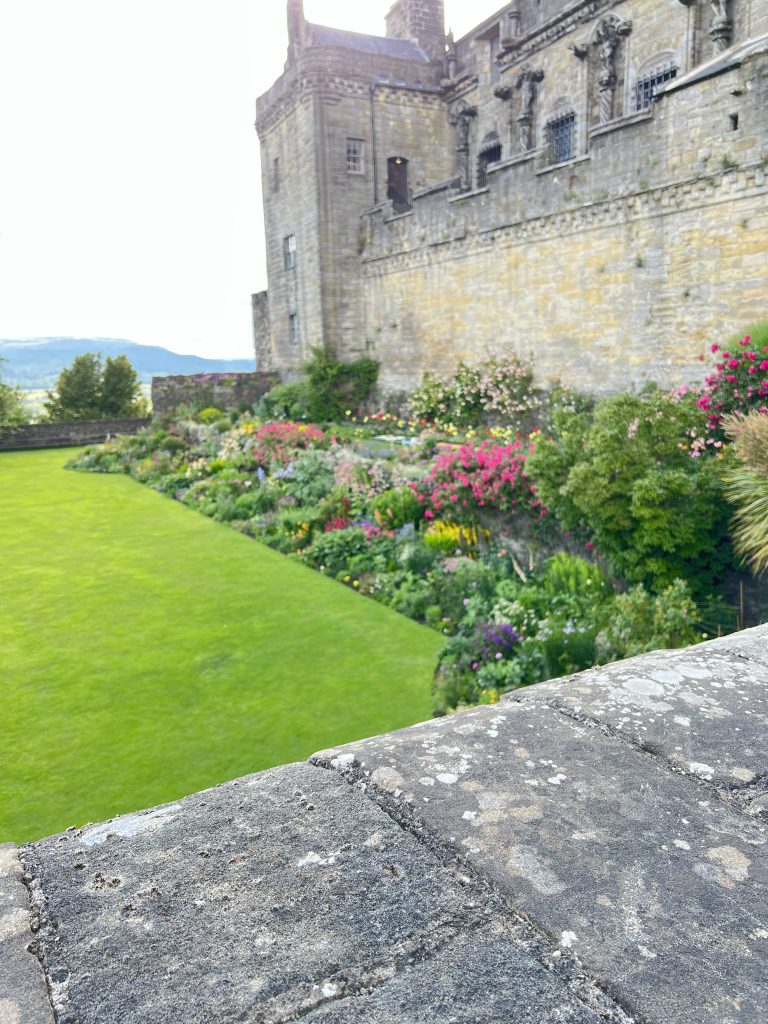
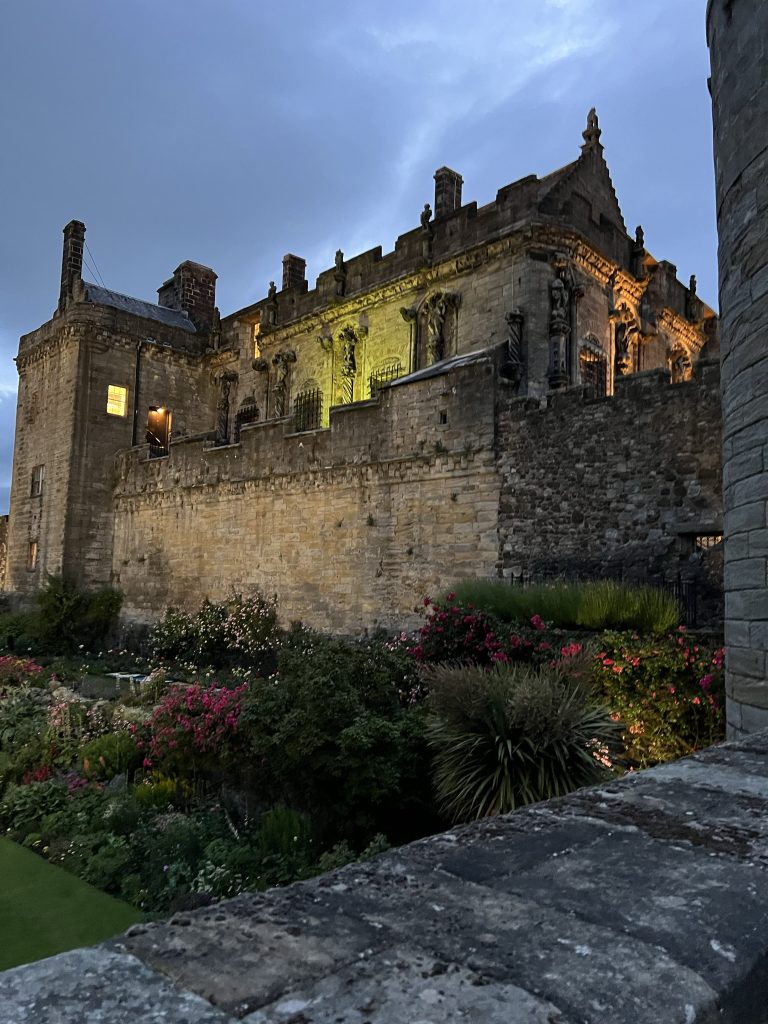
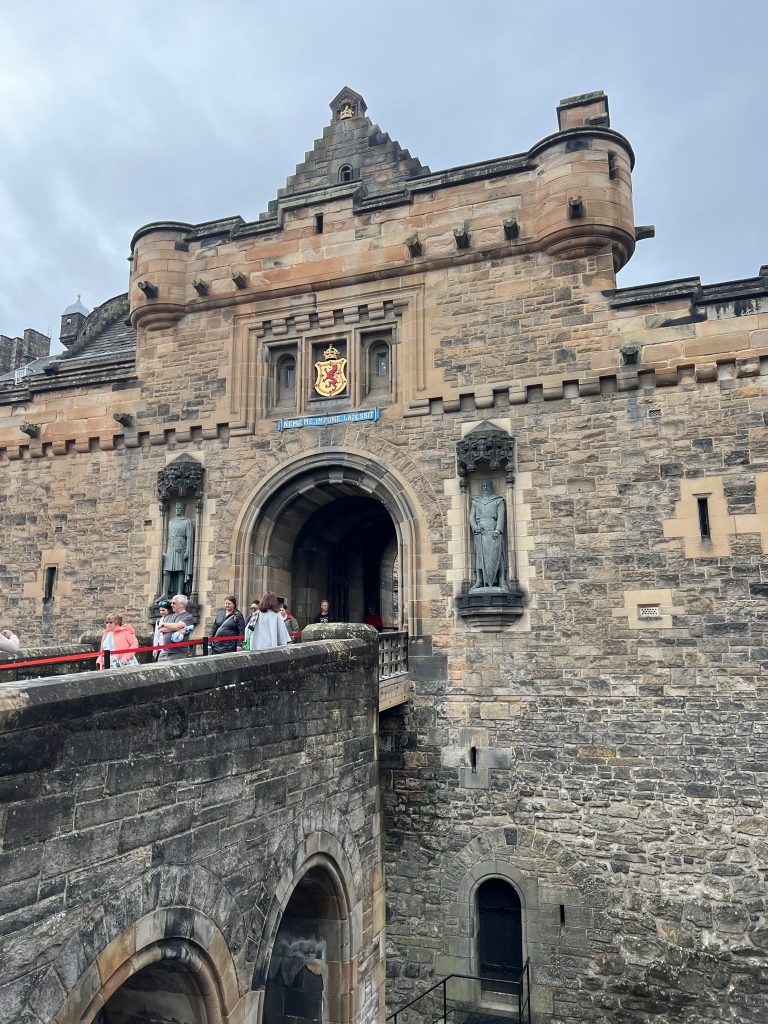
Pictures of Stirling Castle

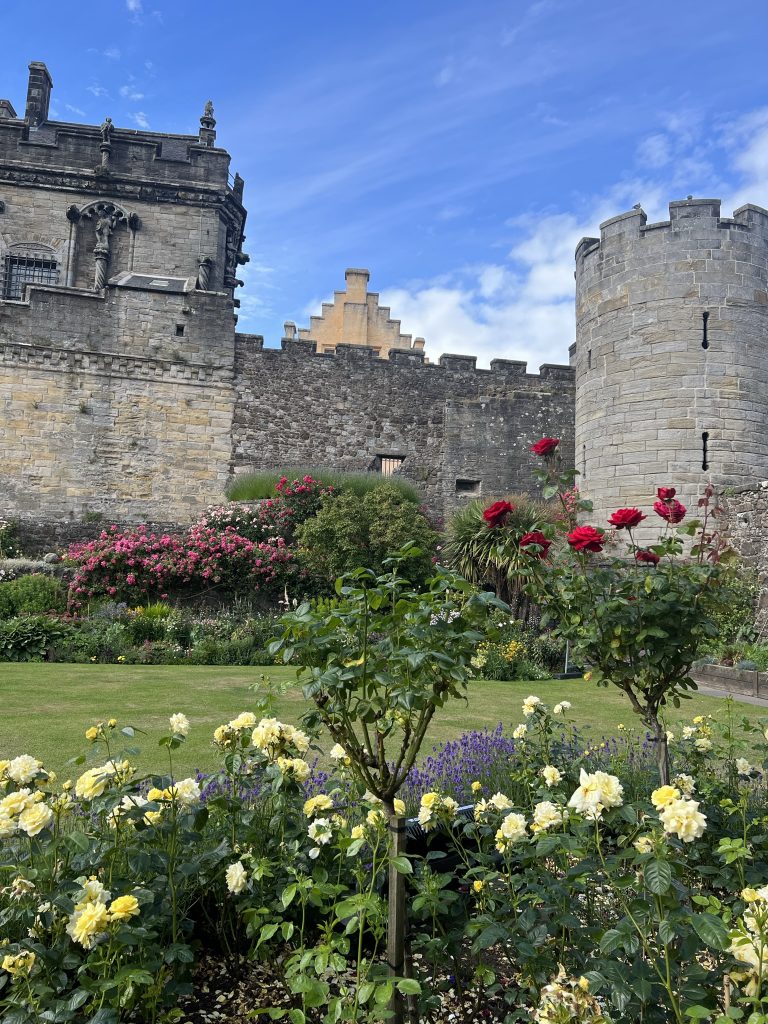

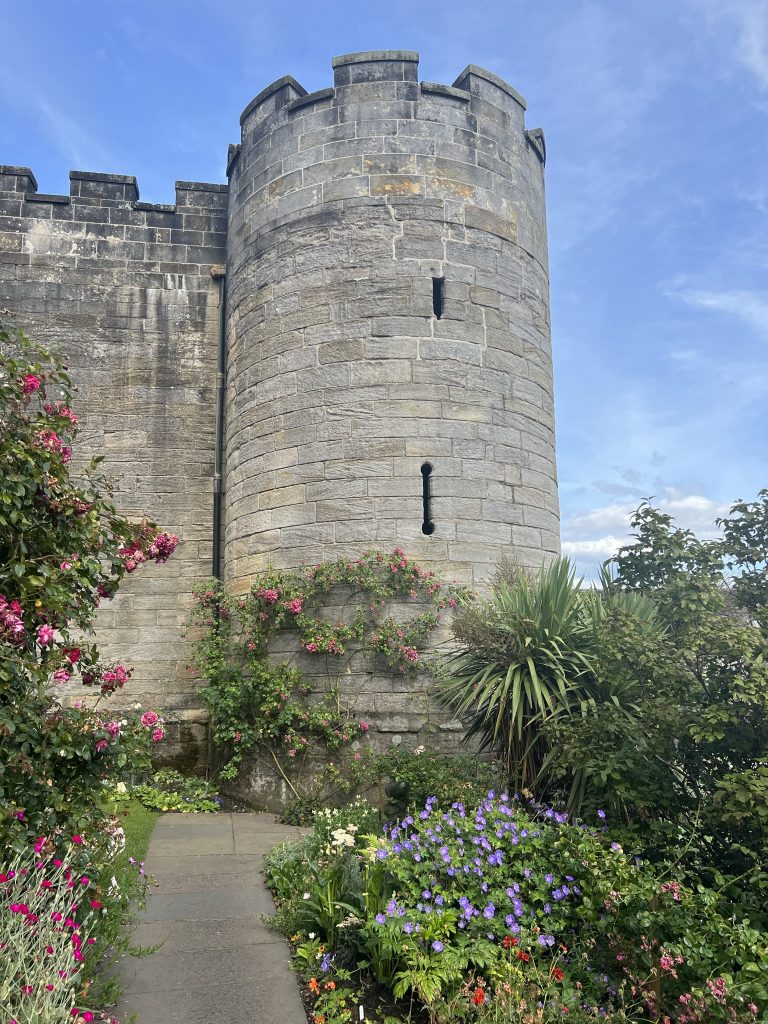
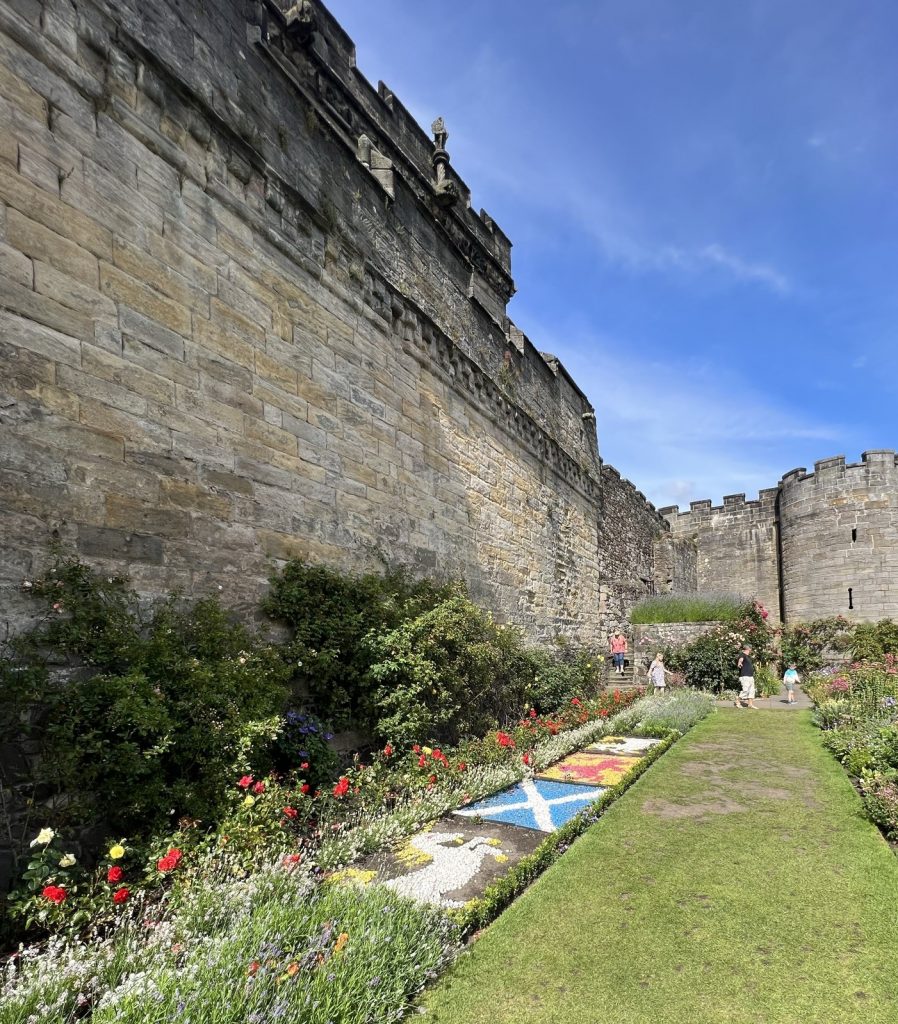


The Tapestries at Stirling Castle
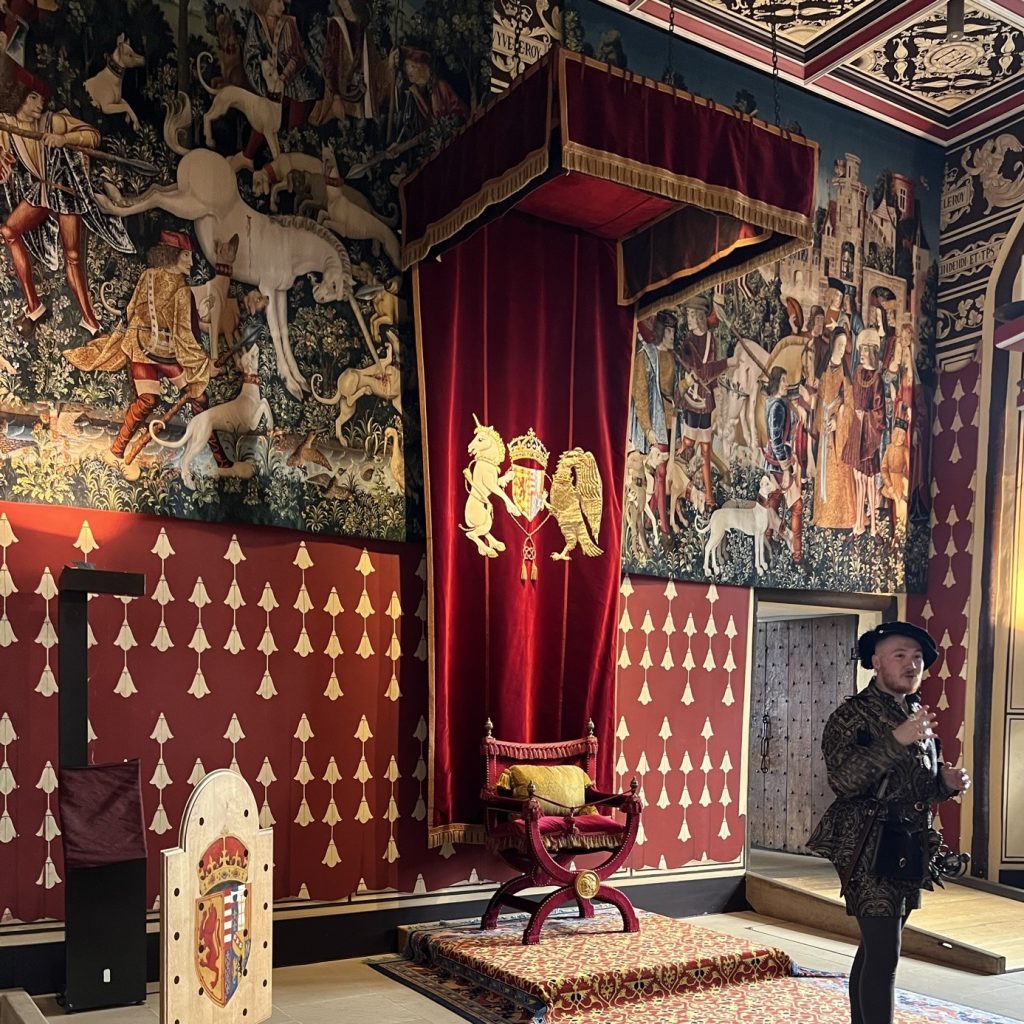
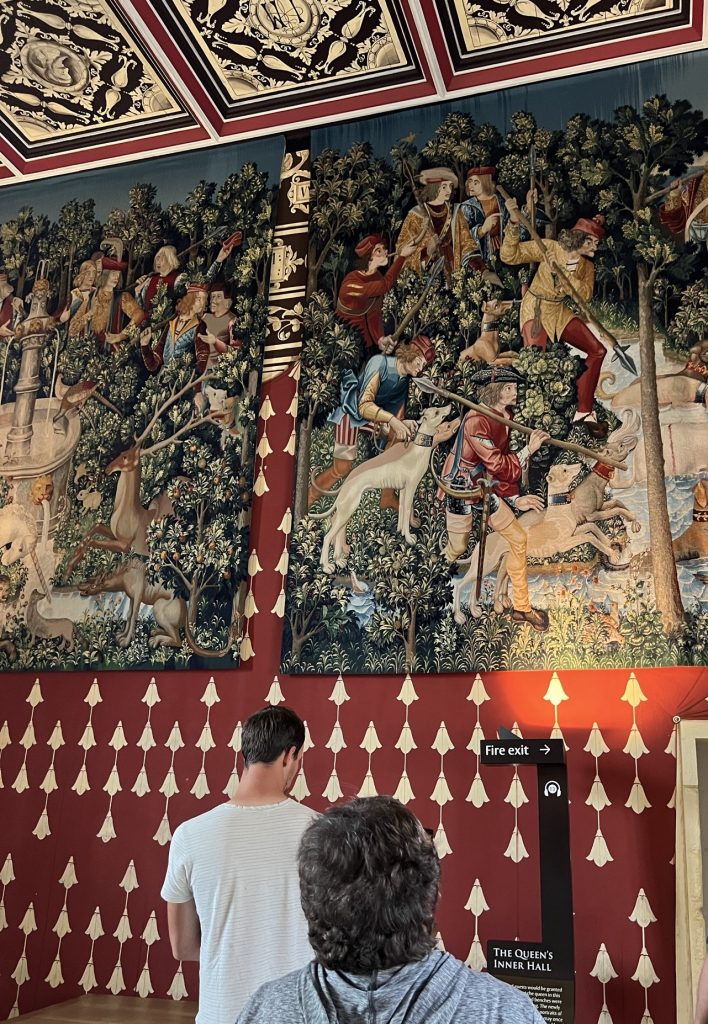
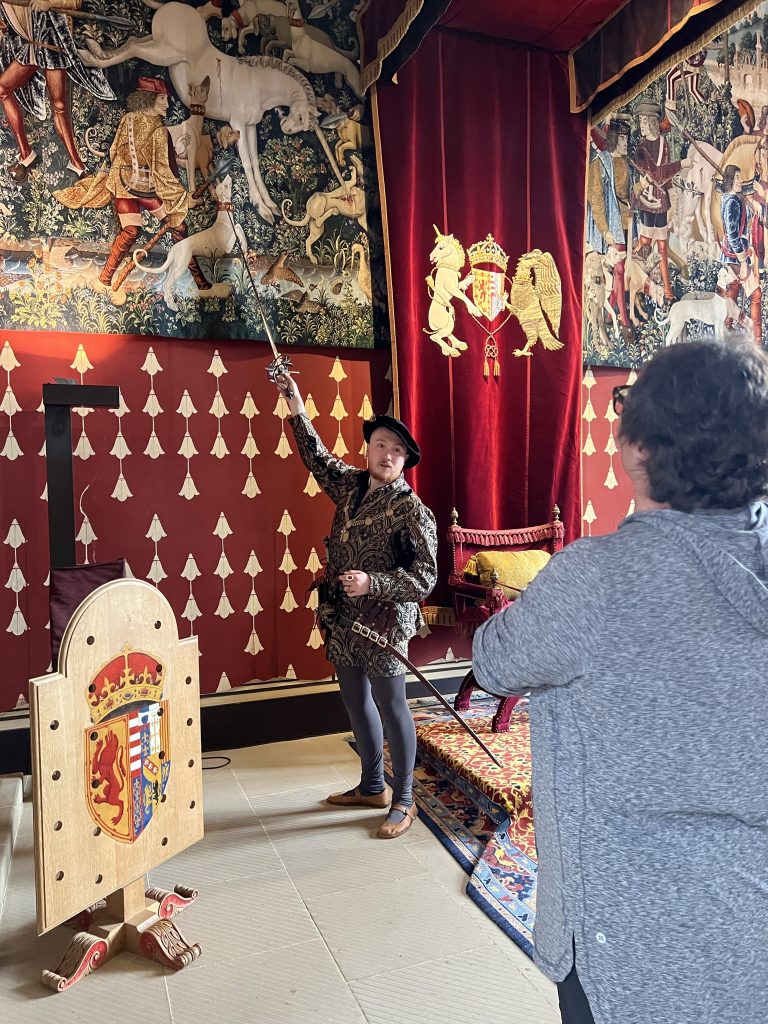
These tapestries, in the castle today, are recreations of the Hunt of the Unicorn series from the 1500s. These recreations took 13 years to complete. They were woven and embroidered using the same processes from the 1500s. There are different interpretations of the story portrayed in the tapestries. The most common story is that of Christ with the Unicorn representing Christ as the people look for peace and eternal life. The tapestries are in seven panels and cover the walls of the Queens Inner Hall. If you can, zoom in so you can see the intricate details. For more information on the tapestries, please sese s: The Stirling Tapestries (stirlingcastle.scot)