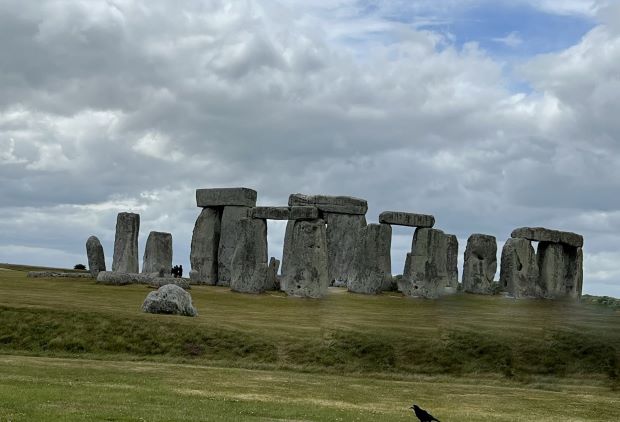
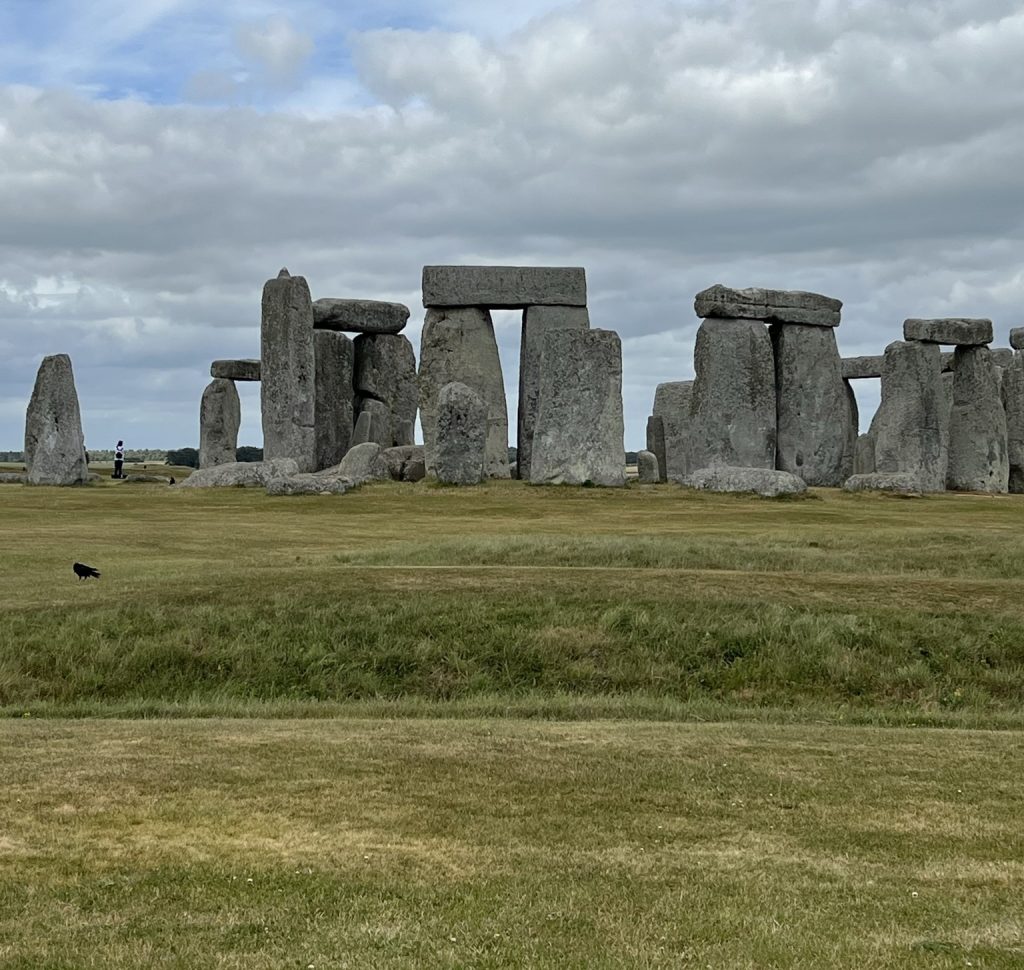
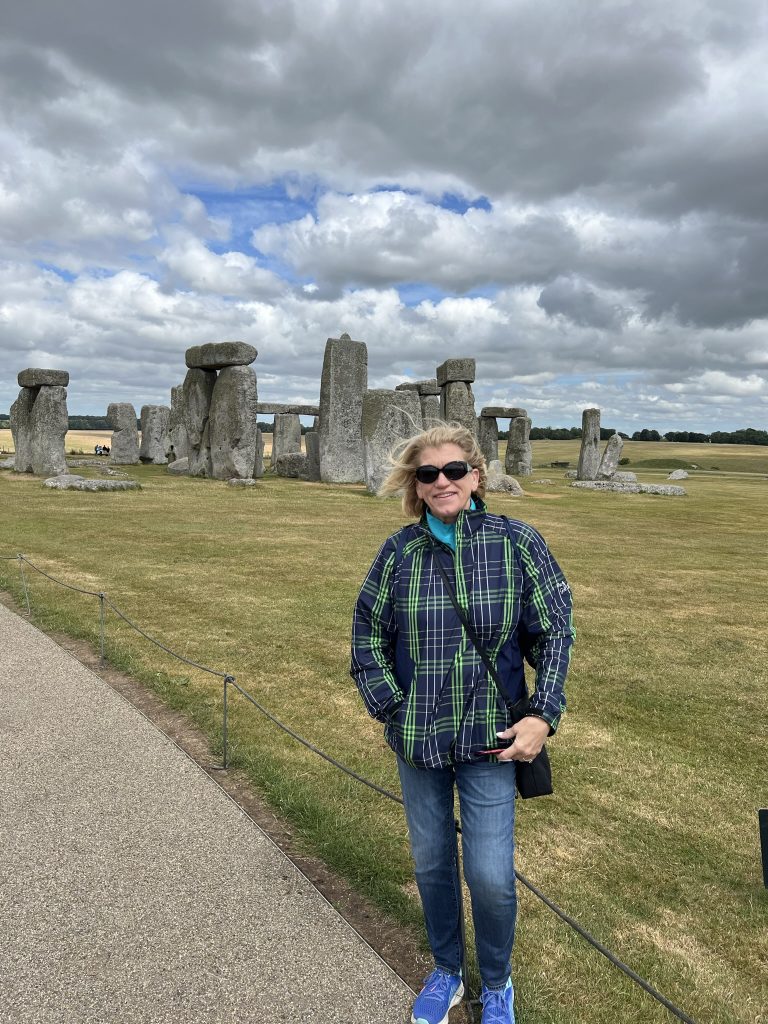
Why all the fascination with a bunch of old rocks??? As the World Heritage Site says, “Stonehenge is the most architecturally sophisticated prehistoric stone circle in the world. “
Stonehenge began about 5,000 years ago and 2,500 B.C. these stones were erected. And still, there are more questions than answers! Is it a monument ? Is it a calendar? is it a burial ground? Who were the people that designed, hauled, sculpted, shaped and established this great stone circle???
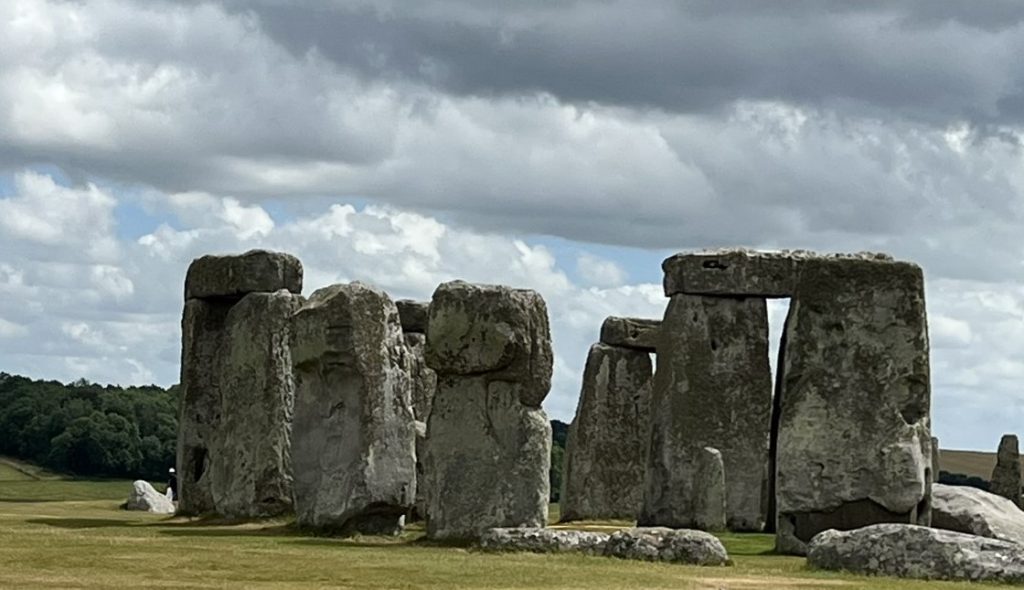
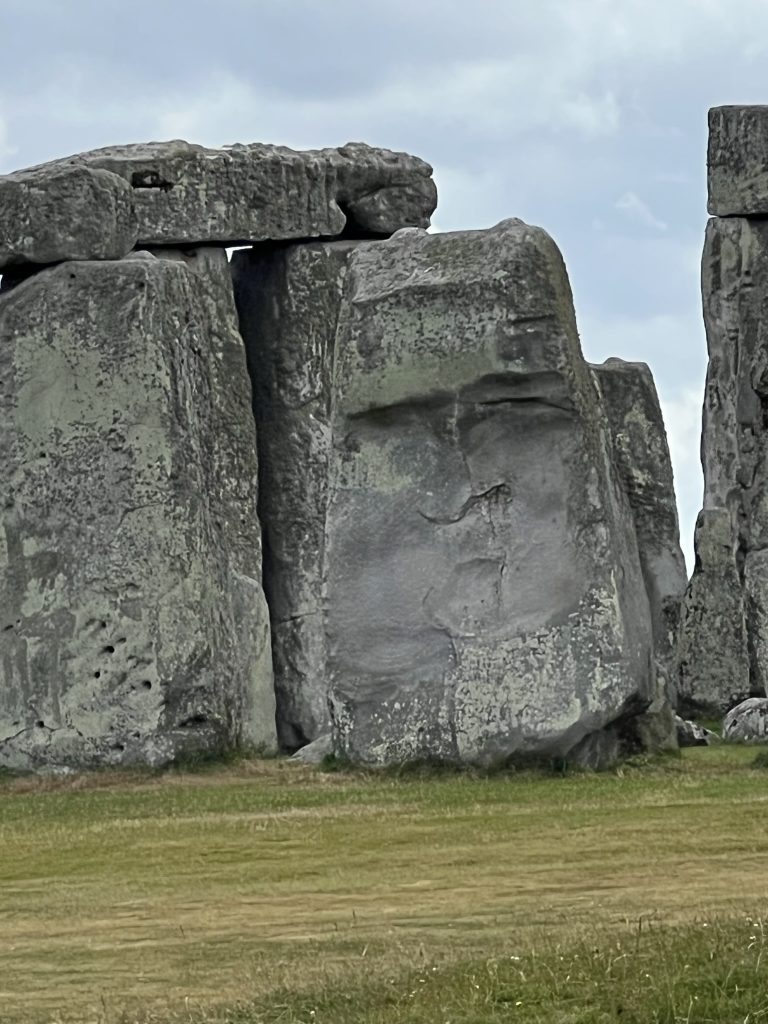
Stonehenge is now thought to be part of a larger concentration of stone circles in Averbury some 24 miles away. What made prehistoric people go to all the work and effort to drag huge stones – 20 to 25 tons – approximately 20 miles? How were the stones cut or “mined” from that area without any metal tools? Archeologists have discovered different types of stones that were used to chisel and shape these huge stones into the upright and horizontal lentils (stones on the top) that are still standing today. The upright stones have “knobs” called tenons on the top that fit inside holes called mortice holes on the horizontal stones to keep them in place. There is also evidence of tongue and groove type carvings on the stones that are typically only seen in woodwork. For more information on Stonehenge: History and Stories: Stonehenge | English Heritage (english-heritage.org.uk)
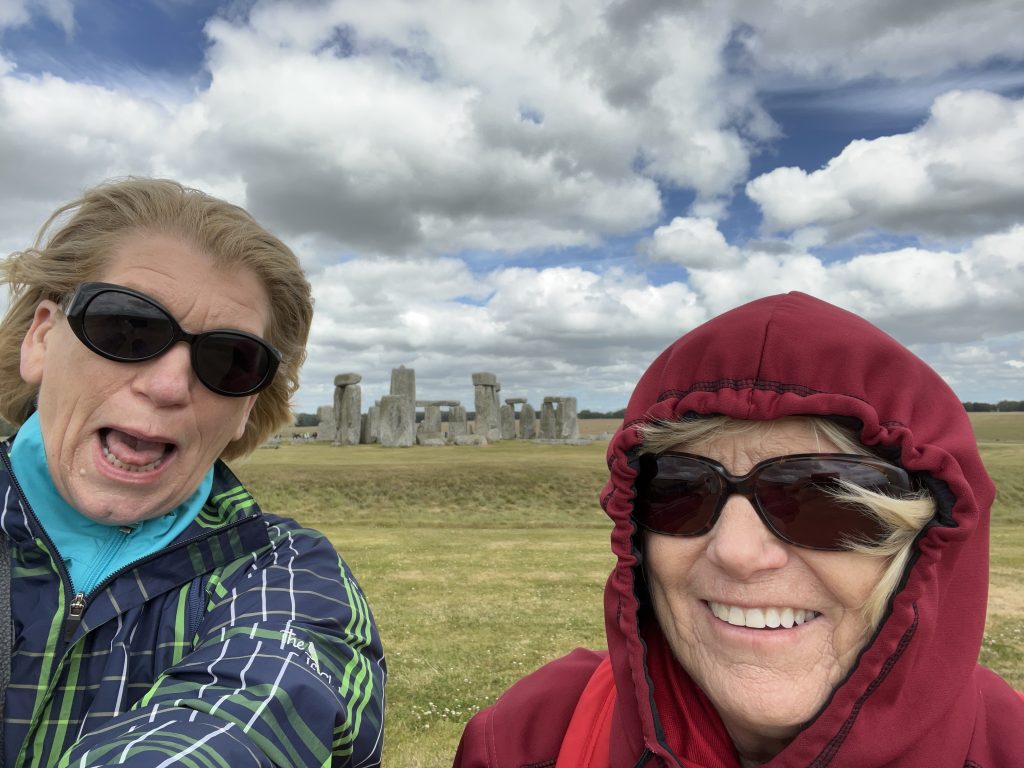
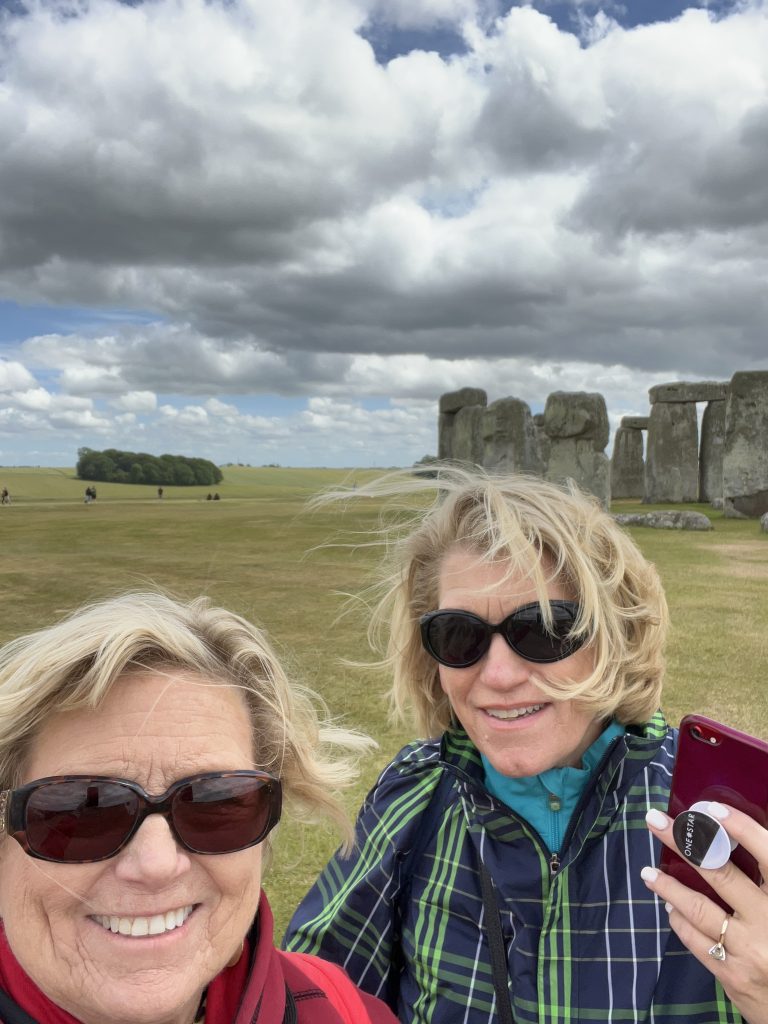
Our Visit
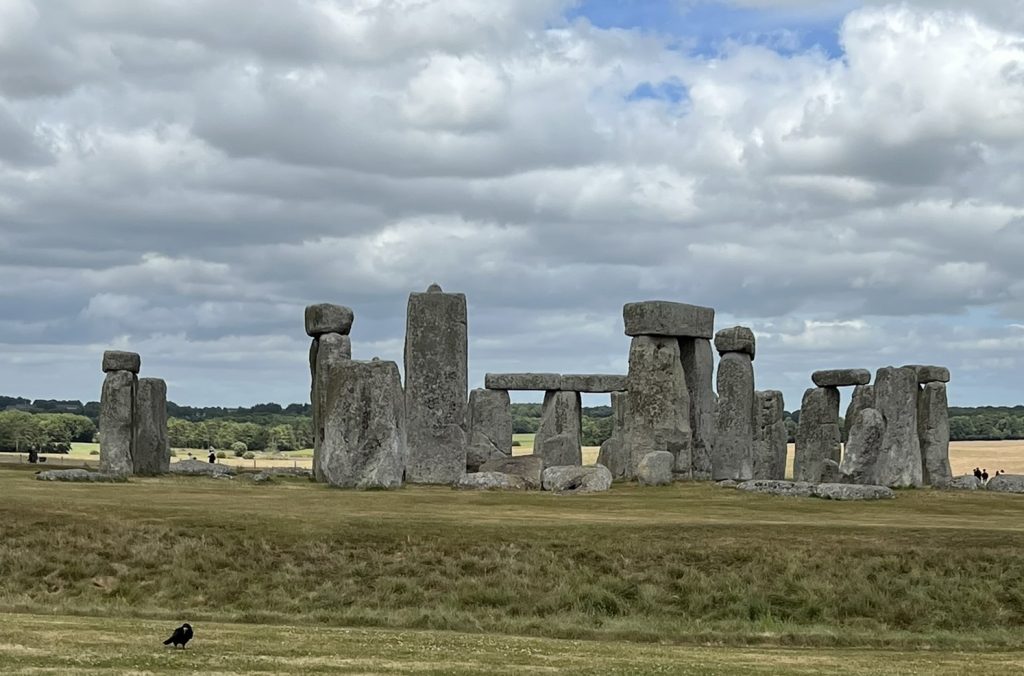
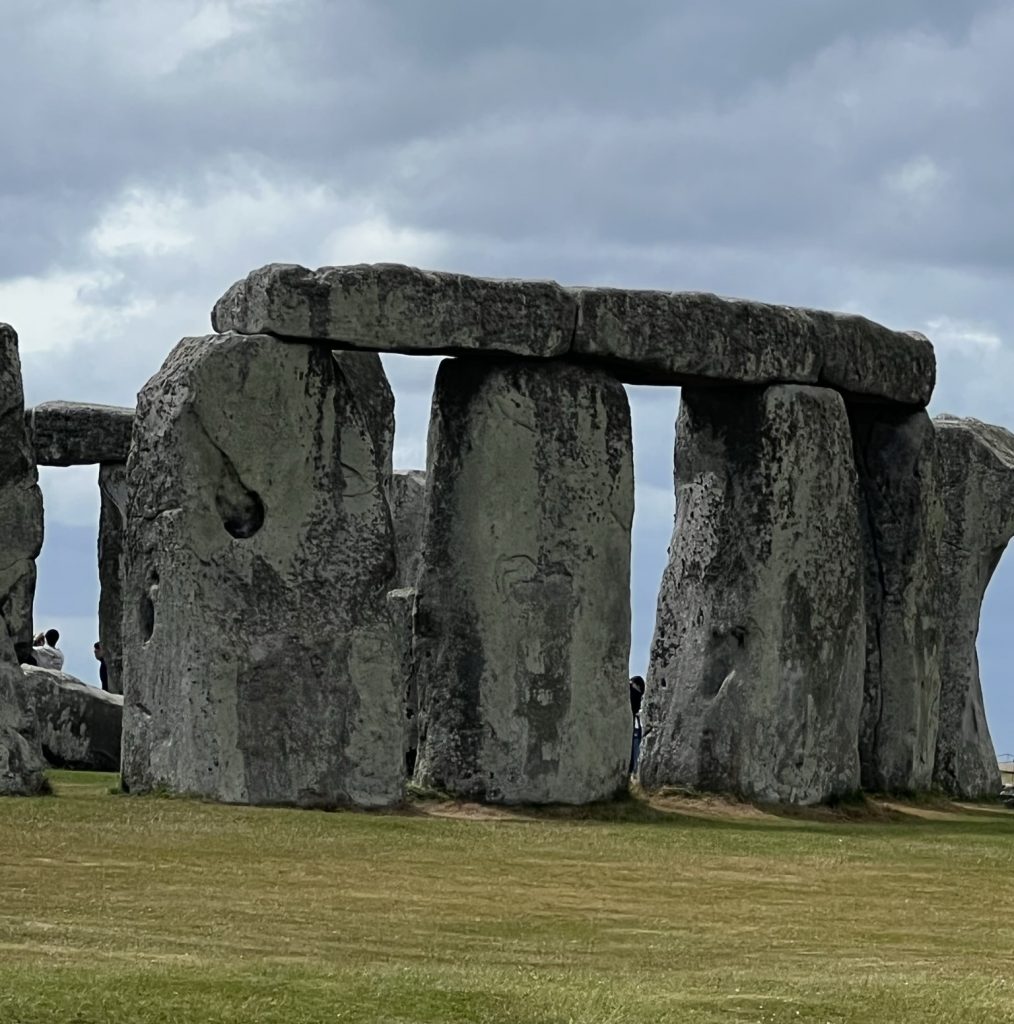
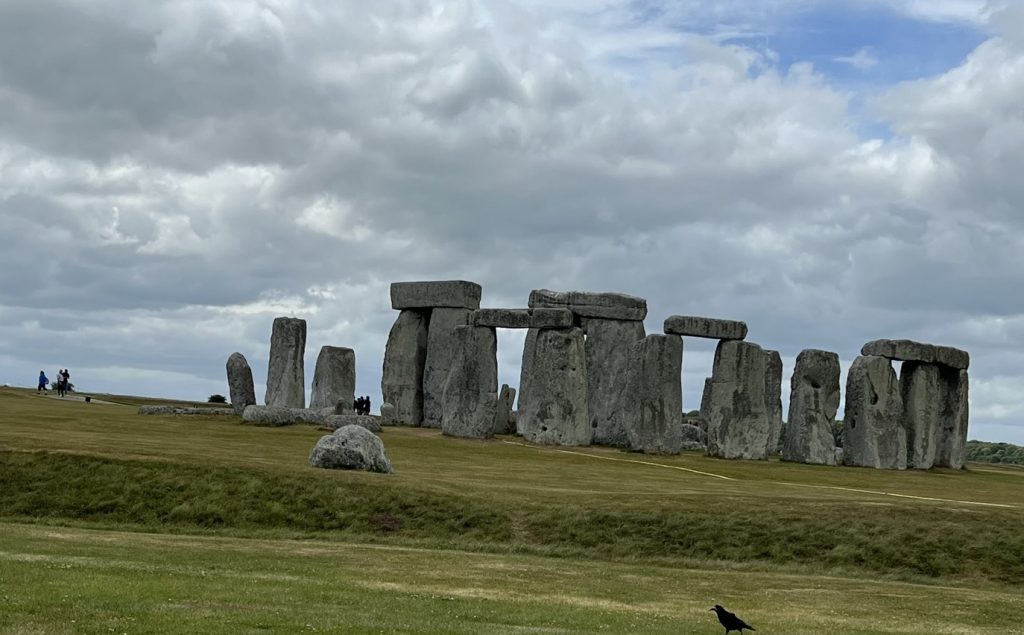
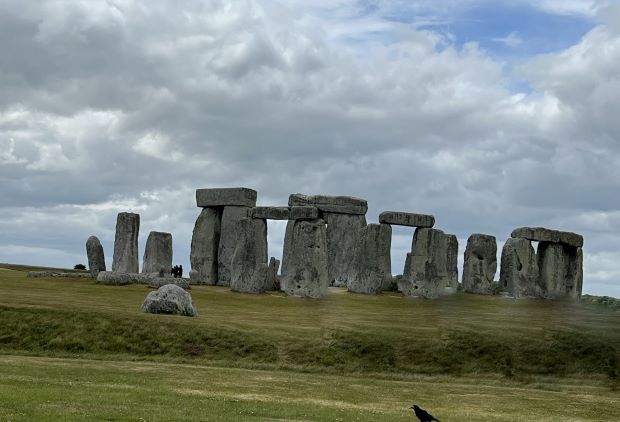
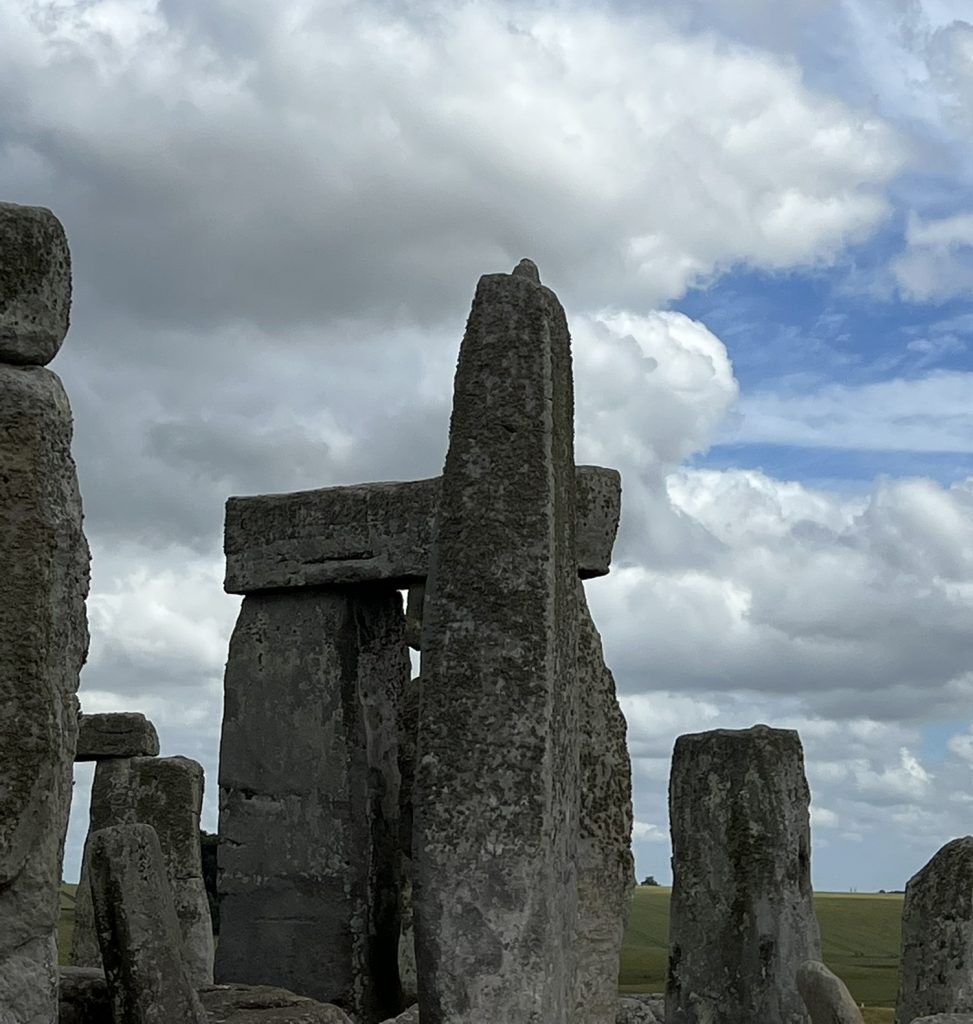
Stonehenge Examples of How People Lived
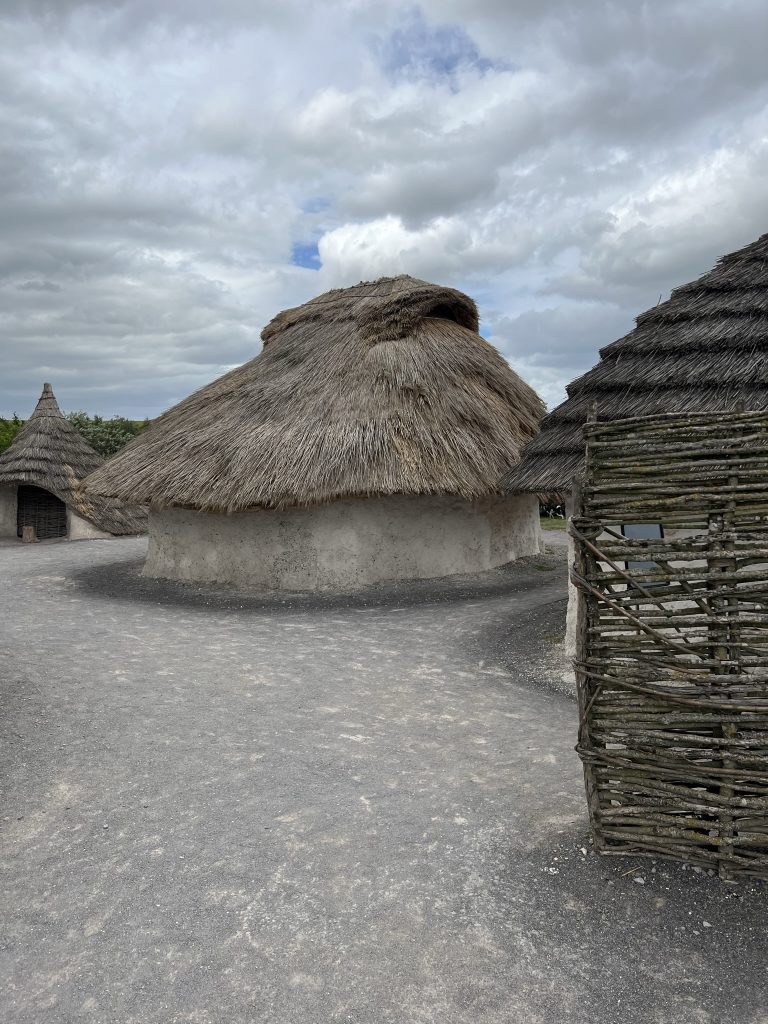
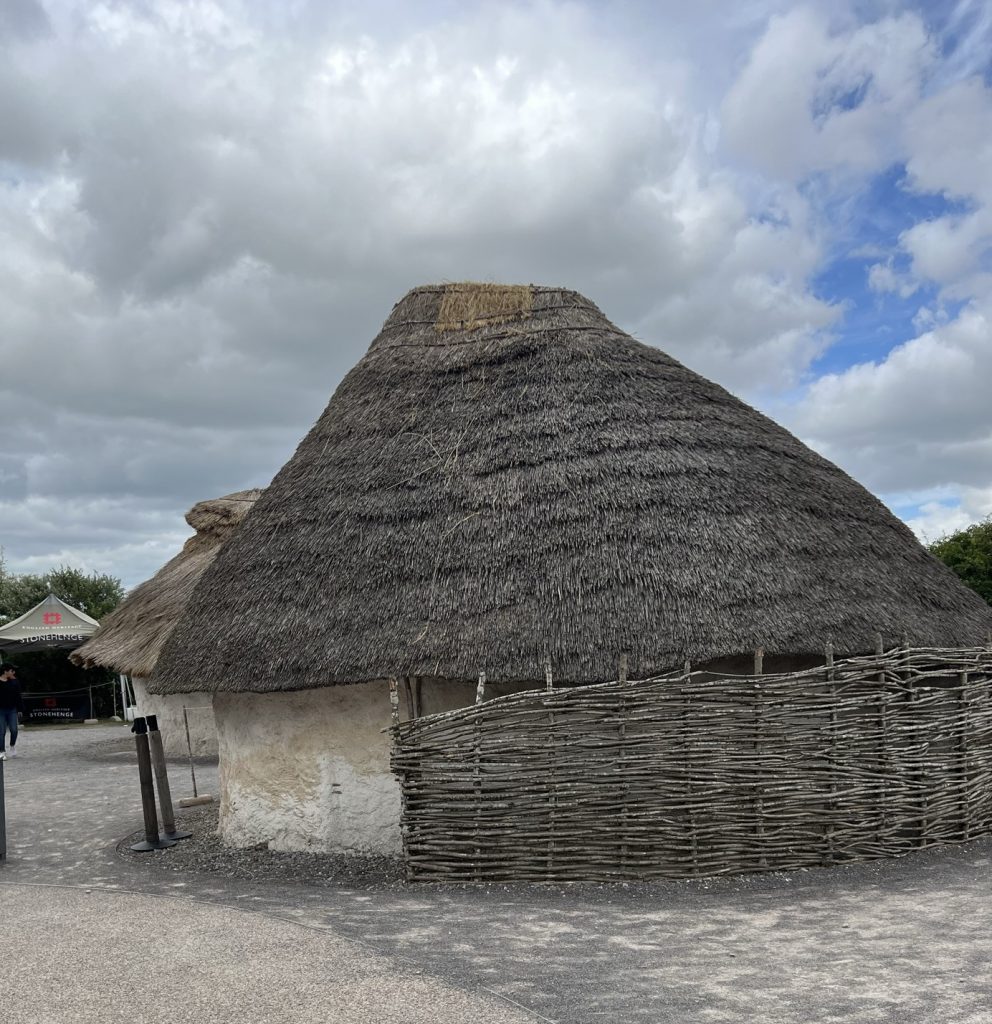
Reconstructed Neolithic Village at Stonehenge
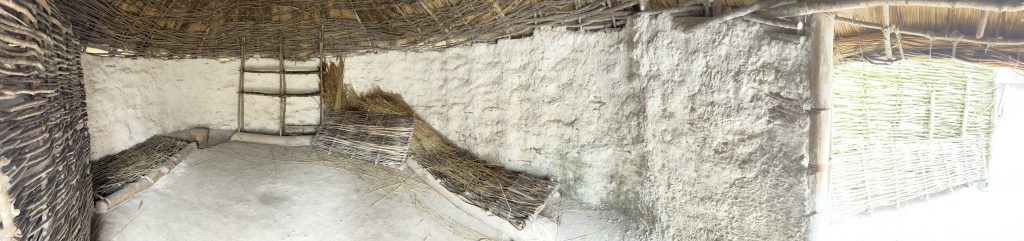
These two huts are made from thin hazel rods woven around upright posts. The woven structure is then covered, inside and out, with a mixture of crushed chalk, chopped straw and water. The roofs are thatched with straw from wheat. The people that built Stonehenge were believed to live in huts like this nearby.
Inside the huts
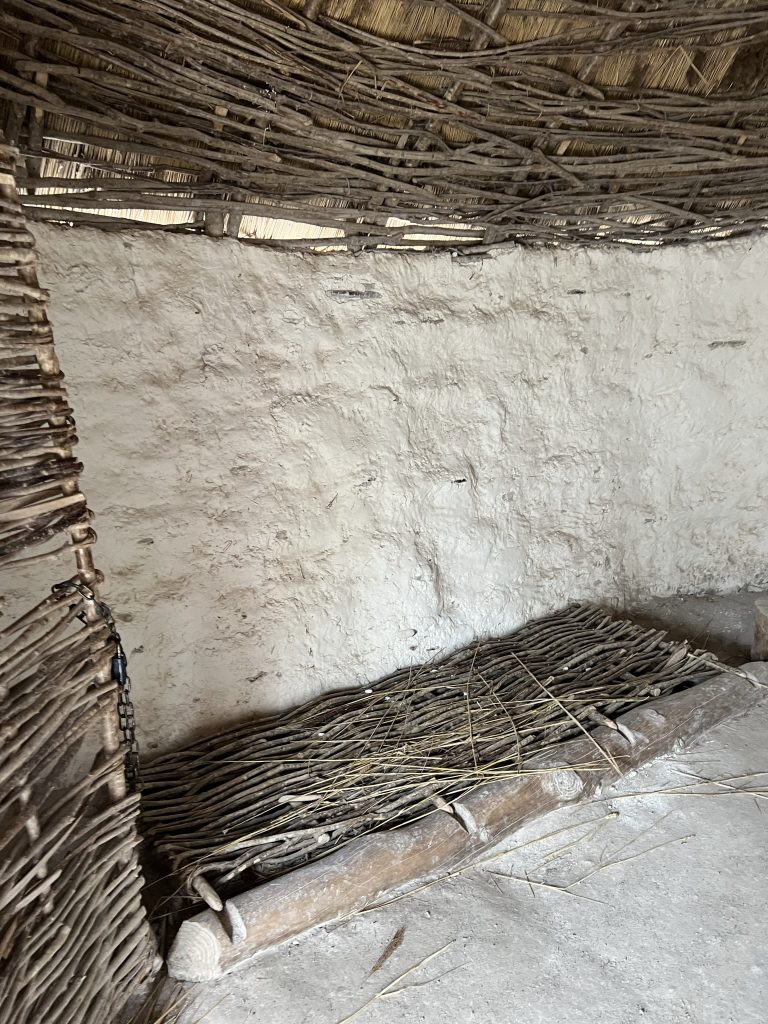
Panoramic View Inside the Hut